Mini course · Foundation level
Sharps Injury & Bloodborne Exposure Management
Prevent needlestick injuries, and know exactly what to do in the first minutes if one happens.
What is Sharps Injury & Bloodborne Exposure Management?
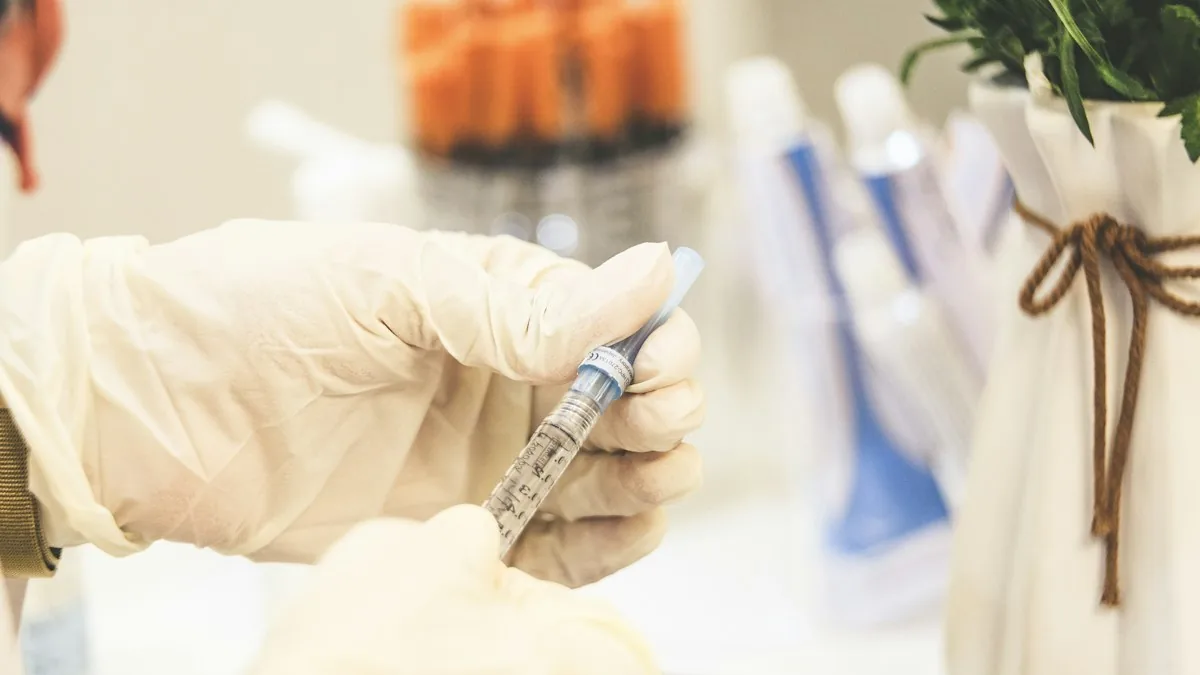
Sharps injuries and blood or body fluid exposures can transmit bloodborne infections such as hepatitis B, hepatitis C and HIV. Most are preventable. This course covers how injuries happen, safe sharps practice, safety-engineered devices, disposal, hepatitis B vaccination, immediate first aid after exposure, urgent reporting, the purpose of post-exposure assessment and follow-up, and supporting colleagues after an injury.
- Duration
- 1 hour
- Lessons
- 4
- Level
- Foundation
- Format
- Online, self-paced
What you'll be able to do
- Identify common causes of sharps injuries
- Apply safe practices when using and disposing of sharps
- Explain the role of safety-engineered devices
- Perform immediate first aid after a described exposure
- Explain why urgent reporting and assessment are essential
- Describe the purpose of post-exposure follow-up
Who this course is for
Course content
4 lessons · 1 hour total · free preview available
1How Sharps Injuries Happen
14 minFree preview· Course content
How Sharps Injuries Happen
Risks, devices and moments of danger.
2Safe Sharps Practice
16 min· Course content
Safe Sharps Practice
Available after you enroll.
3Immediately After an Exposure
16 min· Course content
Immediately After an Exposure
Available after you enroll.
4Follow-Up and Support
14 min· Course content
Follow-Up and Support
Available after you enroll.
Earn a credential employers can check
Every AIHCM credential has a unique ID that anyone can verify online in seconds.
Issued: on completion
How it works
- Finish all 4 lessons at your own pace.
- Get your digital credential with a unique ID.
- Share it — employers can verify it at aihcm.us.
Questions people ask
Does the course tell me which medicines to take after exposure?
No. Post-exposure treatment decisions must be made urgently by occupational health or a clinician following local protocol.
Why is time so important?
Some preventive treatments are most effective when started as soon as possible after exposure.
Should I recap needles?
Generally no. The course explains the safe alternatives.
Is hepatitis B vaccination covered?
Yes, as a key protective measure for healthcare workers.