For decades, proof of a healthcare professional’s education looked the same: a paper certificate, a signature, maybe an embossed seal. It was easy to produce, easy to lose, easy to fake, and painfully slow to verify. Verifiable digital credentials change all of that — and they are quickly becoming the standard for how accredited education is recognized worldwide. This guide explains what they are, how they work, and why they matter.
What a verifiable digital credential is
A verifiable digital credential is a secure, electronic record of an achievement — a completed course, a certification, an accredited qualification — that can be instantly and independently verified. Unlike a scanned certificate, which is just an image, a verifiable credential contains structured, tamper-evident data about who earned it, what it represents, who issued it, and when. Anyone the holder shares it with can confirm its authenticity in seconds, without contacting the issuer manually.
Think of it as the difference between a photograph of a key and a key that actually works. A paper certificate depicts an achievement; a verifiable credential proves it.
How verifiable credentials work
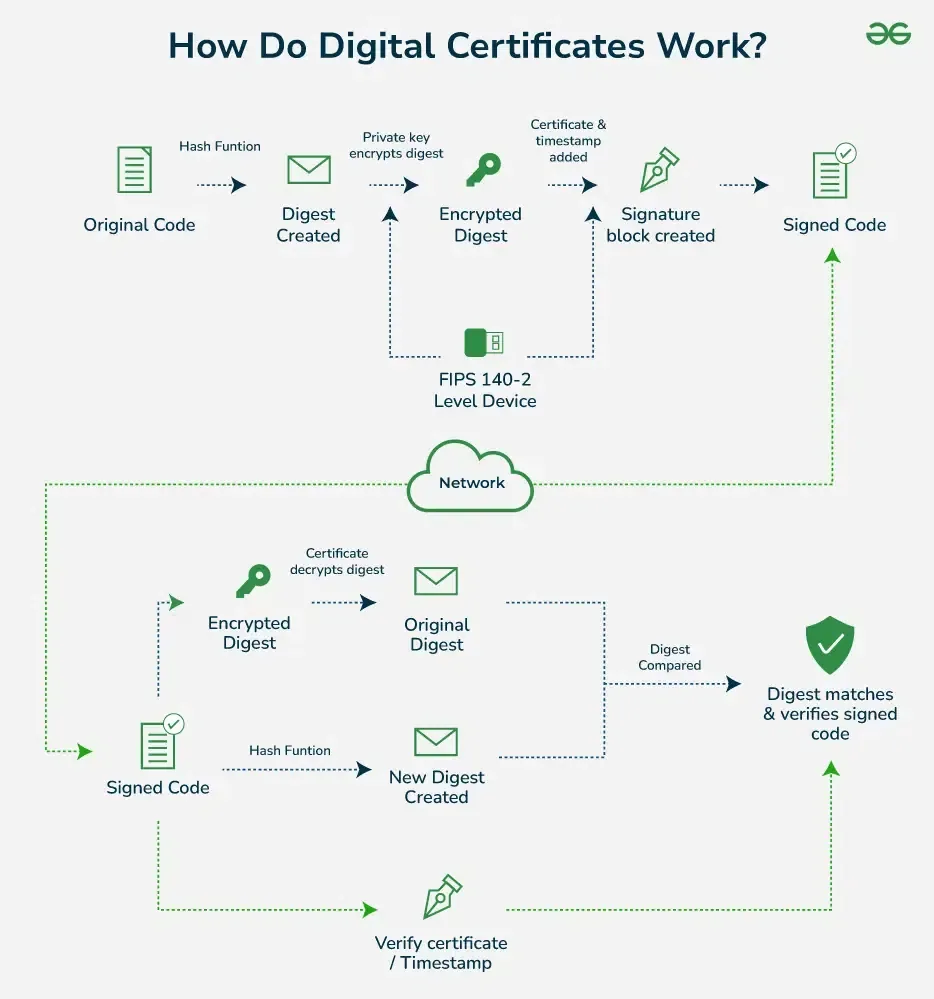
Behind the scenes, verifiable credentials rely on a simple, powerful idea: the credential carries cryptographic proof of its origin and integrity. When an accredited provider issues one, it is digitally signed in a way that ties it to the issuing organization. If anyone alters the credential, the proof breaks and verification fails. If it is genuine, verification succeeds and shows exactly what was issued and by whom.
For the professional, this usually means a credential they can store in a digital wallet or portfolio and share via a link or file. For the verifier — an employer, a licensing body, a partner institution — it means checking authenticity instantly, from anywhere, with confidence. No phone calls, no waiting for a records office to reply, no wondering whether the certificate in front of them has been quietly edited.
Why they matter in healthcare
Healthcare has unusually high stakes for credential trust. A fake qualification is not just fraud; it is a patient-safety risk. It also has an unusually mobile workforce, with professionals moving between employers and countries and needing their qualifications recognized wherever they go. Verifiable digital credentials address both realities at once.
They make fraud far harder, because credentials cannot be convincingly forged or altered. They make verification instant, replacing slow manual checks that can take days or weeks. And they make qualifications portable, because a credential tied to an accredited program and issuer carries its trust across borders automatically.
The link between accreditation and credentials
Verifiable credentials are powerful, but they are only as meaningful as what stands behind them. A credential proves that a specific issuer awarded a specific achievement — but whether that achievement is worth anything depends on whether the underlying program met a real standard. This is why accreditation and verifiable credentials belong together. Accreditation establishes that the education met an internationally recognized standard; the verifiable credential proves that a given individual completed it. Together they form a complete chain of trust: standard → accredited program → verifiable individual credential.
Without accreditation, a verifiable credential is authentic but not necessarily valuable. With it, every credential inherits the credibility of the standard behind it.
What good implementation looks like
Providers adopting verifiable credentials well share some habits. Their credentials clearly state what they represent — completion, certification, or accredited qualification — so there is no ambiguity. They include the accreditor and issuer, so verifiers can see the full chain of trust. They are easy for professionals to store and share. And they are genuinely verifiable by third parties, not just visually “digital.” A PDF certificate emailed to a learner is not a verifiable credential, however nicely designed; the difference is independent, tamper-evident verification.
Benefits across the ecosystem
For professionals, verifiable credentials are portable, permanent, and impossible to lose or forge — a durable record of their achievements they fully control. For providers, they reduce administrative burden, strengthen the value of their programs, and protect their reputation against credential fraud. For employers and regulators, they turn verification from a bottleneck into an instant, reliable step. Everyone in the chain gains from trust that is both stronger and faster.
The direction of travel
The shift from paper to verifiable digital credentials is not a passing trend; it is the natural response to a globalized, digital, trust-hungry profession. Providers who adopt them early position themselves as modern, credible, and learner-friendly — and they make the qualifications they award genuinely fit for a borderless world.
Frequently asked questions
Is a PDF certificate a verifiable digital credential?
Usually no. A PDF is an image that can be edited and cannot be independently verified. A true verifiable credential carries tamper-evident data and proof of its issuer, so anyone can confirm its authenticity without contacting you.
Can verifiable credentials be forged?
They are designed to resist forgery. Any alteration breaks the credential’s cryptographic proof, so tampering is immediately detectable — a fundamental improvement over paper or PDF certificates.
Do professionals need special software to use them?
Typically they store credentials in a simple digital wallet or portfolio and share them by link. Verifiers confirm them through the credential’s built-in mechanism — no special software required on their side.
Does a verifiable credential replace accreditation?
No — they complement each other. Accreditation proves the program met a standard; the verifiable credential proves an individual completed it. The strongest credentials are verifiable and backed by accreditation.
Bringing it together
AIHCM enables accredited organizations to issue secure, globally verifiable digital credentials tied to internationally recognized standards — uniting the credibility of accreditation with the speed and security of modern verification. It is the foundation of trust for healthcare education’s next chapter.
Issue and verify tamper-proof digital credentials.
Verify a credential