For every legitimate accreditation body doing rigorous, valuable work, there is at least one “accreditation mill” selling the appearance of credibility without the substance. These operations damage learners, undermine honest providers, and erode trust in the whole system. This article explains what accreditation mills are, how to spot them, and how both providers and learners can protect themselves.
What an accreditation mill is
An accreditation mill is an organization that grants accredited status with little or no genuine evaluation — usually in exchange for a fee. It exists to sell legitimacy, not to assure quality. Its “accreditation” looks official on a website or certificate, but behind it there is no meaningful standard, no rigorous process, and no real oversight. The closely related “diploma mill” sells the qualifications themselves; accreditation mills sell the stamp that makes those qualifications look credible. Both trade on the fact that most people cannot easily tell real accreditation from fake.
Why accreditation mills are harmful
The damage runs in several directions. Learners pay for qualifications they believe are recognized, only to discover later that informed employers and regulators dismiss them. Honest providers who invested in genuine quality find themselves competing against organizations that simply bought their credibility. Employers risk hiring people whose training never met a real standard. And the wider ecosystem suffers, because every fake accreditation makes people slightly more skeptical of the real ones. In healthcare, where competence affects patient safety, these harms are especially serious.
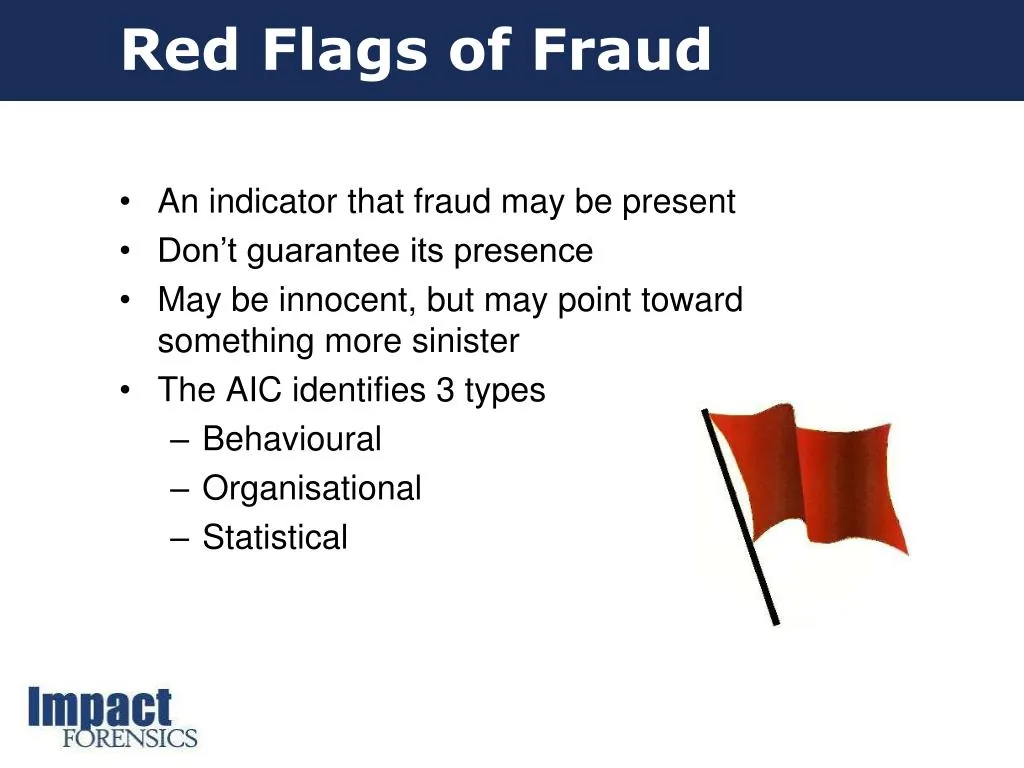
Warning sign 1: Accreditation is too easy
The clearest red flag is that accreditation is fast, easy, or guaranteed. Genuine accreditation is demanding — it requires a real self-study, evidence, evaluation by trained assessors, and an independent decision that can result in “not yet.” If a body promises quick or guaranteed approval, offers accreditation with minimal scrutiny, or seems more interested in your payment than your quality, that ease is the warning. Real quality assurance cannot be rushed or guaranteed in advance.
Warning sign 2: Standards are hidden or vague
Credible accreditors publish their standards openly, because transparency is central to trust. An accreditation mill often keeps its “standards” vague, unpublished, or impossible to actually pin down — because there is little substance behind them. If you cannot read the full criteria before applying, or if the standards are so general that anyone could satisfy them, treat that opacity as a serious signal.
Warning sign 3: No real process or evaluators
Look at how the body actually evaluates. Is there a genuine self-study? Are there trained, qualified evaluators? Is there an independent decision panel, or does one person simply approve applicants? A mill typically has no meaningful process — no evidence review, no verification, no scrutiny. The absence of a rigorous process is the absence of accreditation, whatever the certificate says.
Warning sign 4: Unverifiable recognition claims
Accreditation mills often make grand claims about being “internationally recognized” or endorsed by impressive-sounding bodies — claims that dissolve on inspection. Check whether the recognition is real: are the body’s accredited providers actually accepted by employers, institutions, and regulators? Can the recognition claims be independently verified? Impressive language that cannot be substantiated is a classic mill tactic.
How to verify a legitimate accreditor
Protecting yourself is a matter of doing a little verification. Read the accreditor’s published standards and judge their rigor. Examine its evaluation process for genuine scrutiny. Check whether its accreditation is actually respected where it counts. Look for transparency about the body’s governance and methodology. And be appropriately skeptical of anything that seems too easy or too impressive. A credible accreditor welcomes this scrutiny; a mill cannot survive it.
The role of verifiable credentials
Interestingly, verifiable digital credentials help in the fight against fakery — but only when they are tied to genuine accreditation. A verifiable credential proves authenticity (this was really issued by this body), but it cannot by itself prove legitimacy (this body’s accreditation means something). That is why the strongest credentials are both verifiable and backed by a credible, transparent accreditor. Together they let anyone confirm not just that a credential is real, but that the standard behind it is too.
Frequently asked questions
How can I tell a real accreditor from a mill quickly?
Check three things fast: Are the standards published and rigorous? Is there a genuine evaluation process with trained evaluators? Is the accreditation actually recognized where it matters? Weakness in any of these is a warning.
Is a cheap or fast accreditation always a mill?
Not necessarily cheap, but fast and guaranteed are strong red flags. Genuine accreditation takes real work and can result in “not yet.” If approval is effortless, be very cautious.
What should I do if I’ve been accredited by a mill?
Focus on obtaining accreditation from a credible, transparent body. Genuine accreditation will strengthen your standing, and issuing verifiable credentials tied to it helps demonstrate real legitimacy going forward.
The takeaway
Accreditation mills sell credibility without substance, and they harm learners, honest providers, and the whole system. Spotting them comes down to scrutiny: rigorous published standards, a genuine process, and verifiable recognition. When accreditation is too easy, it is usually worthless.
AIHCM is an independent accreditation authority built on transparent, internationally recognized standards and a rigorous, evidence-based process — and it enables accredited organizations to issue verifiable digital credentials, so trust can be confirmed rather than merely claimed.
Stay ahead with AIHCM accreditation and verifiable credentials.
Learn more